I have always had an interest in microcars and in their modern equivalent, the kei car. Probably my favorite is the Autozam AZ-1, with all its boom-economy insane details. I have been lucky enough to see one, but have yet to drive it. Still, I’ve always wanted to sample a performance-oriented kei car, and the Honda Beat is one of the more accessible for us in the United States since they are aging past the 25-year import restriction and are reasonably inexpensive to purchase. On October 6, 2018 I had my first experience behind the wheel of a Honda Beat. What was it like? Read on!
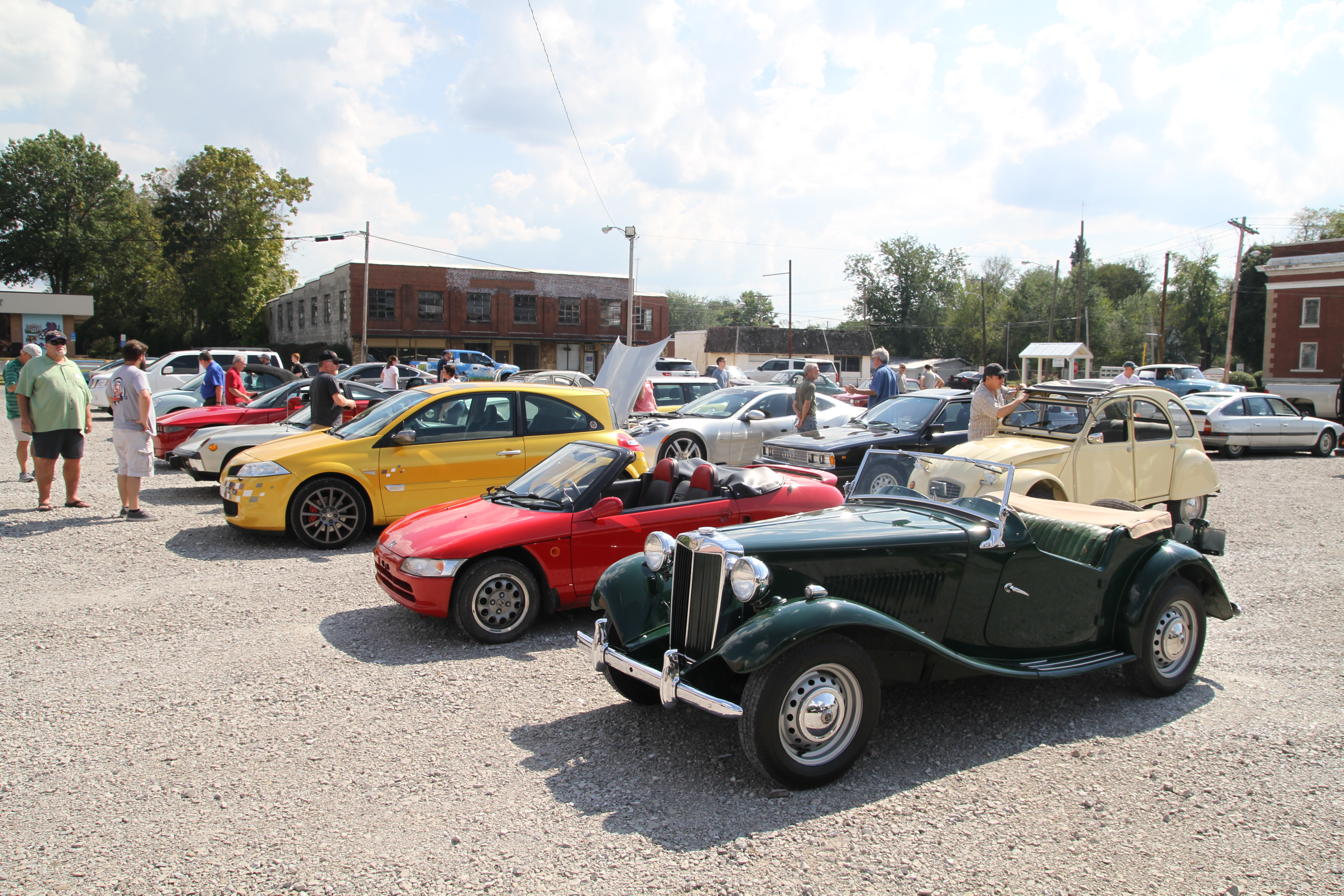
My first impression was that the Beat is incredibly small. On my path to get in the car I had walked past a Peel Trident and a Peel P50, the smallest vehicle in history. I definitely know small cars. But the Beat is deceptive; it has typical 90’s Honda styling, with a general look not unlike the Civic del Sol, but looks like it was shrunken in the wash. It’s a full 28″ shorter than a del Sol, and everything else is proportionately tiny as well.
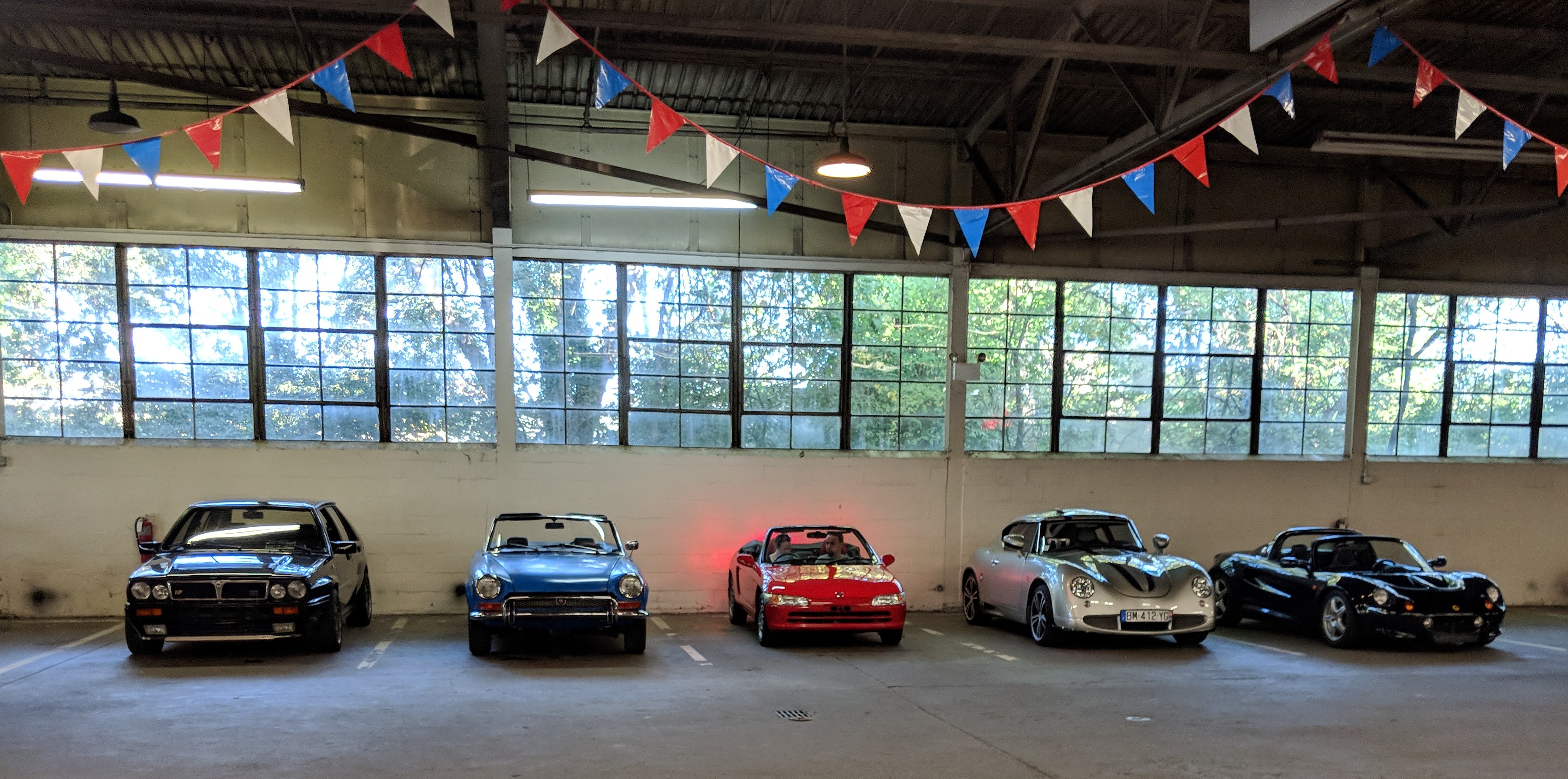
The little powerplant of the Beat is a 656cc inline 3 making just 63 horsepower at 8100 RPM. That’s not a lot of grunt, but with only 1675 pounds of Honda to motivate it feels pretty peppy during my orientation drive around the parking lot with a museum staffer.
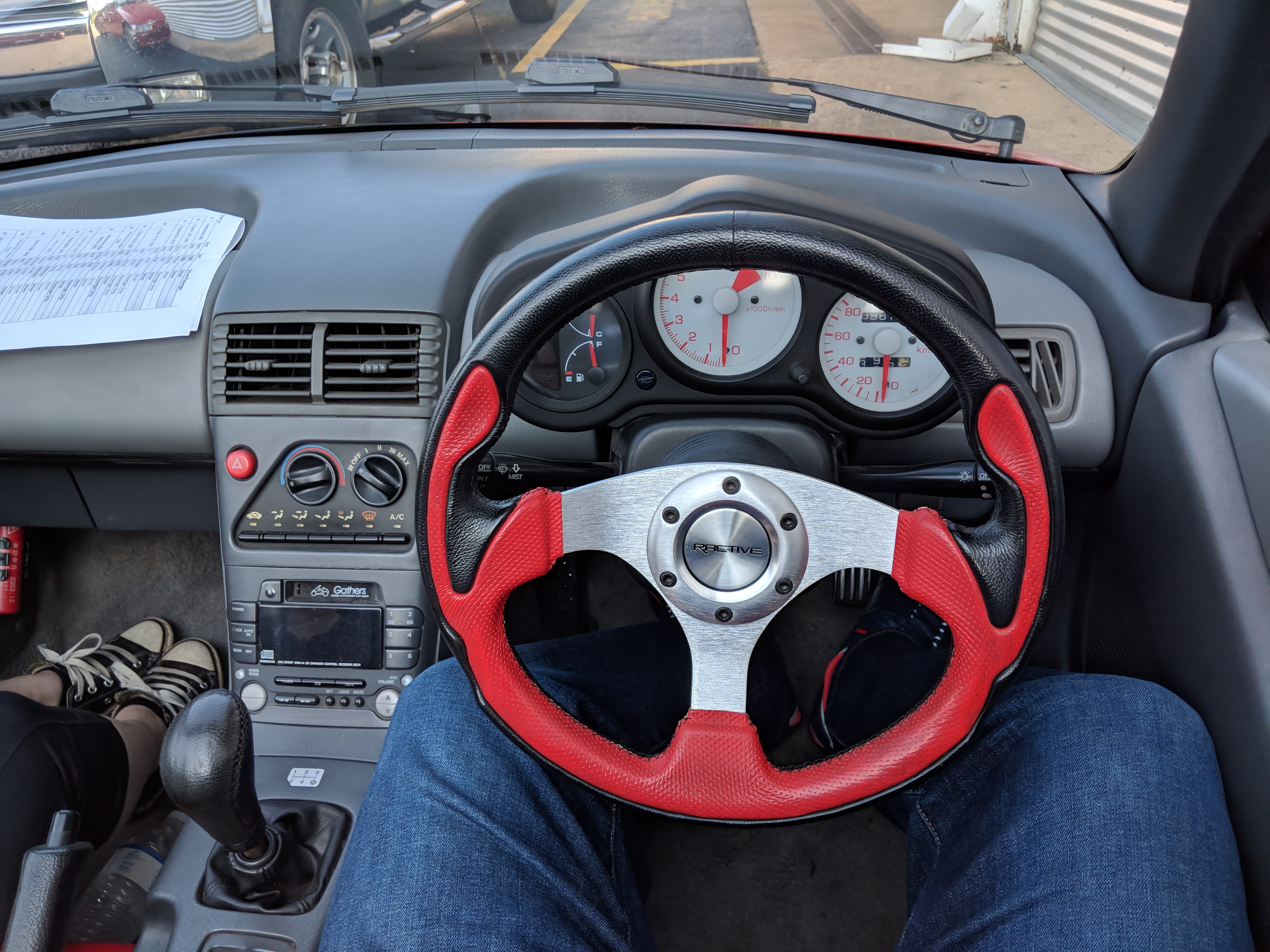
The steering is light but direct and precise, somewhat like the 1989 CRX I have in my personal collection, but a little lighter in effort once rolling. That’s not surprising considering it’s a mid-engine car and there is very little weight over the front wheels. The steering wheel itself is small, which is welcomed since there is relatively little room for my knees in the cockpit. This must be how taller men feel in a Miata, but my 5’10” frame fits well enough in the Beat. I noticed the lack of airbag immediately, but this may not be a modification as the Beat offered a driver’s side airbag as an option.
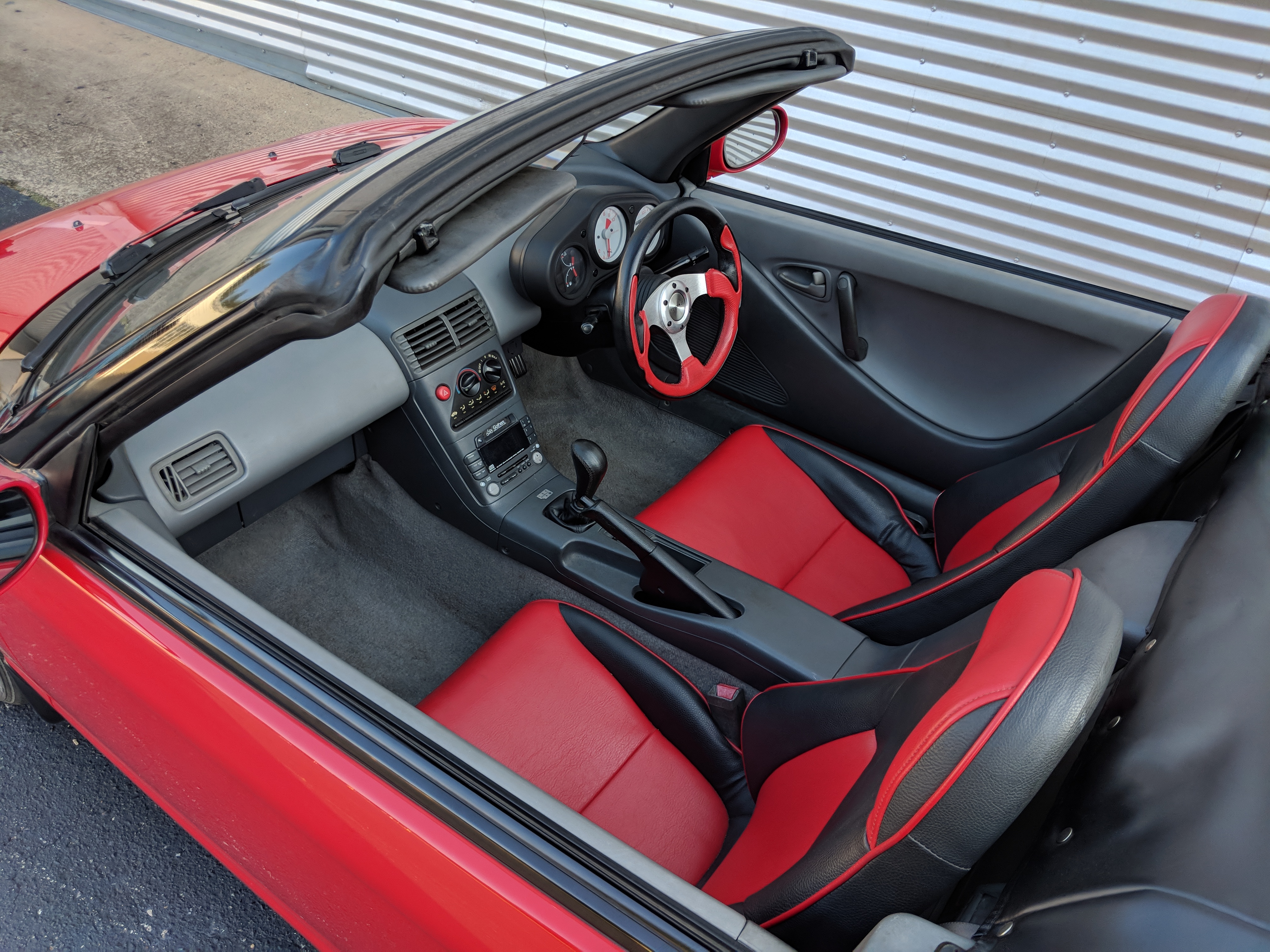
The interior is definitely intimate, but actually a little roomier between driver and passenger than the Lotus Elise I once owned. There is a small but noticeable console between the seats, and the door cards are scooped to create a little more elbow room (probably at the expense of side impact safety, but we’ll not worry about that now). Storage, however, is virtually non-existent, and you can forget bringing along a 44-ounce drink from the convenience store. There are no cupholders.
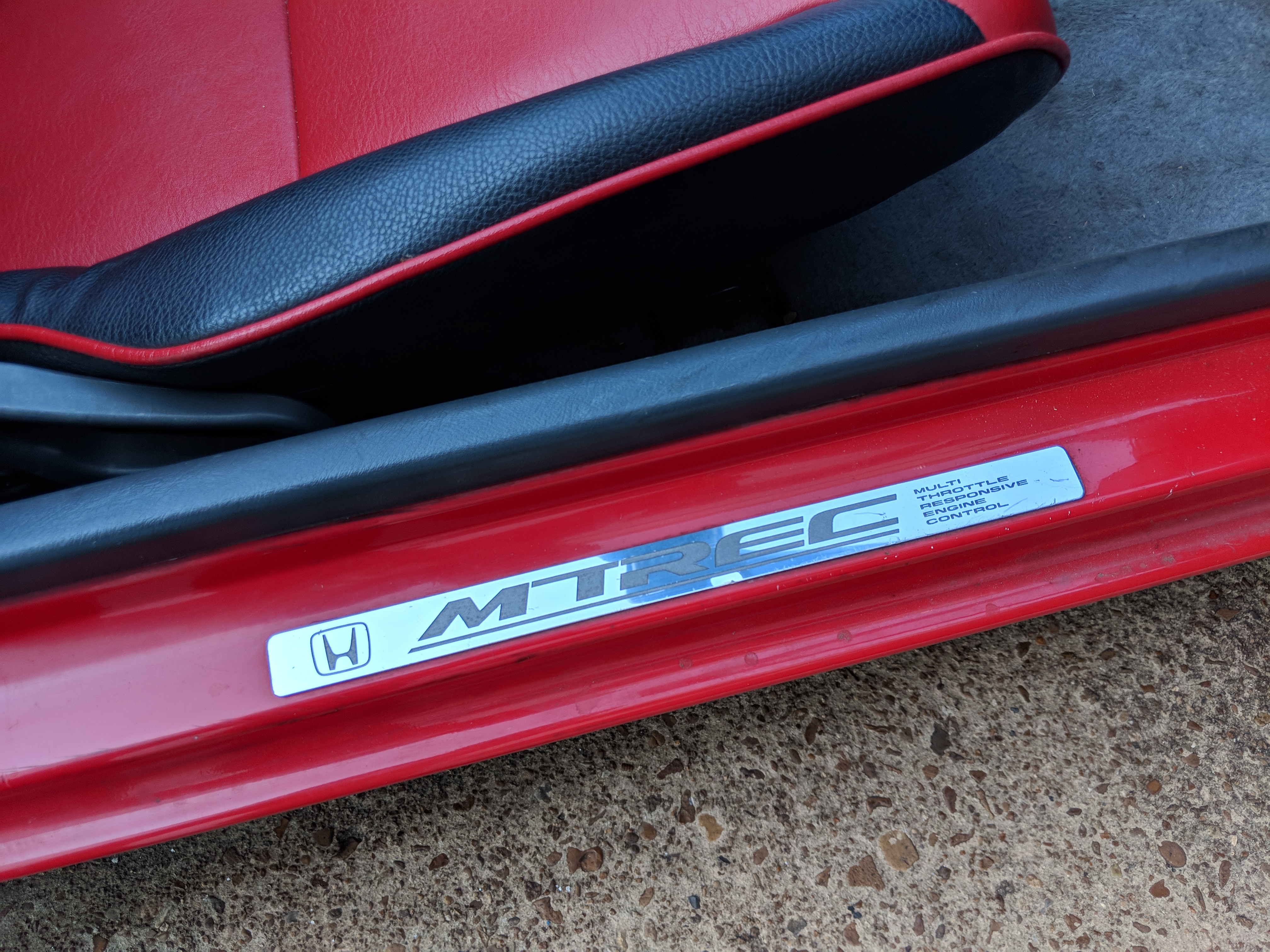
And now, the real driving! I set off from the wonderful Lane Motor Museum with my wife navigating (and yes, a GoPro strapped to my forehead). I realized immediately that the feeling of driving the Beat is like riding a small-displacement motorcycle. You need to make sure you’re winding out the gears sufficiently before shifting as not much low-end torque is on tap and the power builds steadily across the RPM range. There is enough power that you don’t have to slip the clutch too much on takeoff, but not enough power to describe the engine as anything more than peppy. The tiny powerplant has no forced induction, but does feature MTREC which basically means there are individual throttle bodies for each cylinder. There is a door sill plate to note this in the familiar and pleasant 90’s Honda font.
Gearing is extremely short. The clutch is light and positive, which is good since you will be using it frequently. You’ll find your left hand will be very busy rowing the gearbox, and the overall gearing is so short you will start to feel nervous for the life of the connecting rods at speeds above 70 MPH. Some wise engineer saw fit to limit the car to 84 MPH, which is probably best for all parties involved. The car is so mechanically committed to the task at normal highway speeds that anything resembling the current interstate speed limit of Texas is far too fast and frightening.
Handling, however, is definitely the Beat’s forte. The chassis is light, compliant, and willing, with no discernible bad habits. The suspension tuning is fairly compliant for a small vehicle, and is communicative when bent into a corner.
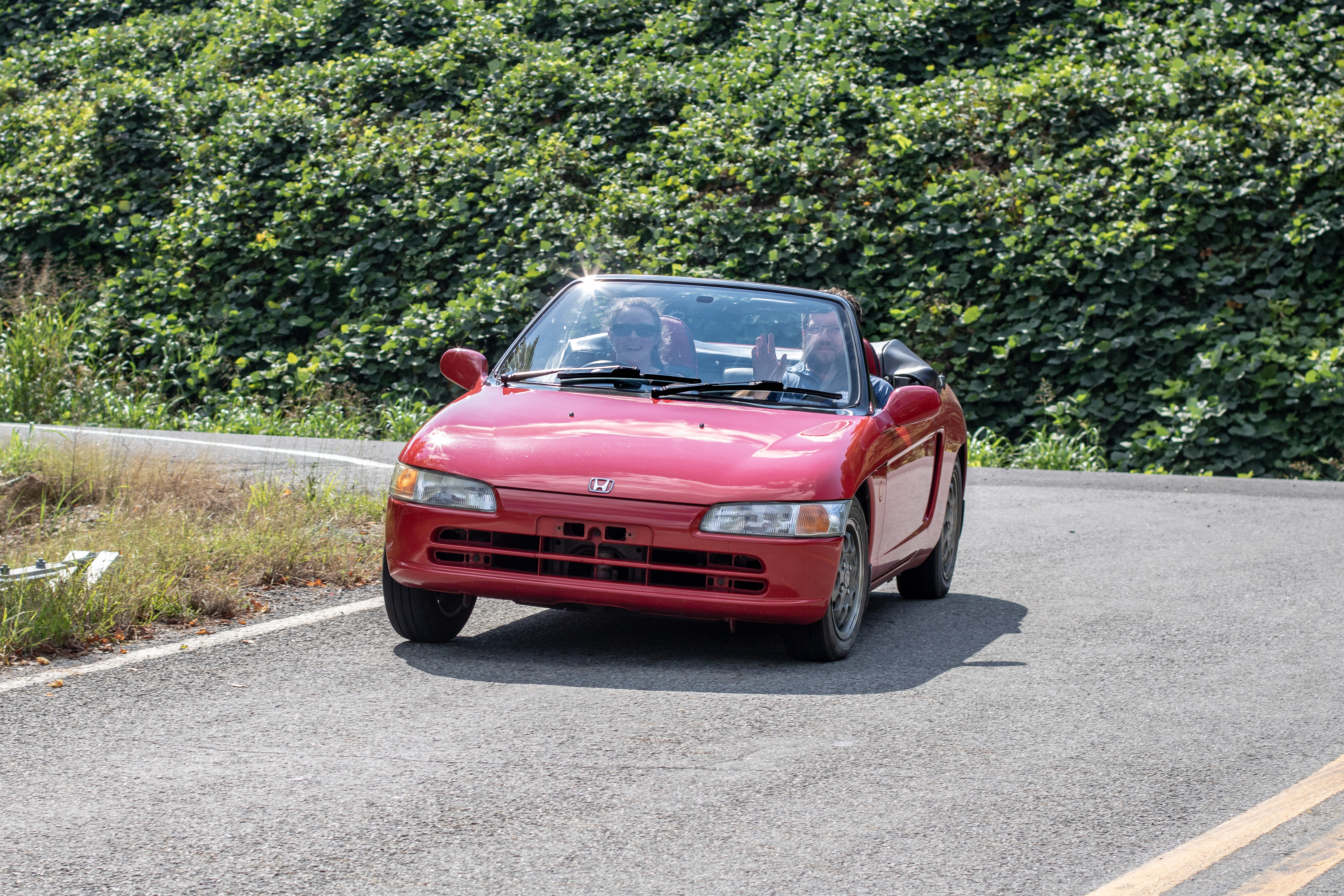
The tires on the Beat I drove would howl toward the limit and then progressively break away as the limit was exceeded. I was not able to get much participation from the rear of the vehicle, which may be a good thing. I like a little oversteer, but oversteer without enough engine to help steer the rear tires can be a recipe for disaster. Mild to moderate understeer is what you can expect to experience should you overcook a corner. Body roll is present but not objectionable. The handling balance is very similar to what I have experienced from other small mid-engine cars such as a Bertone X1/9 and a Toyota MR-S.
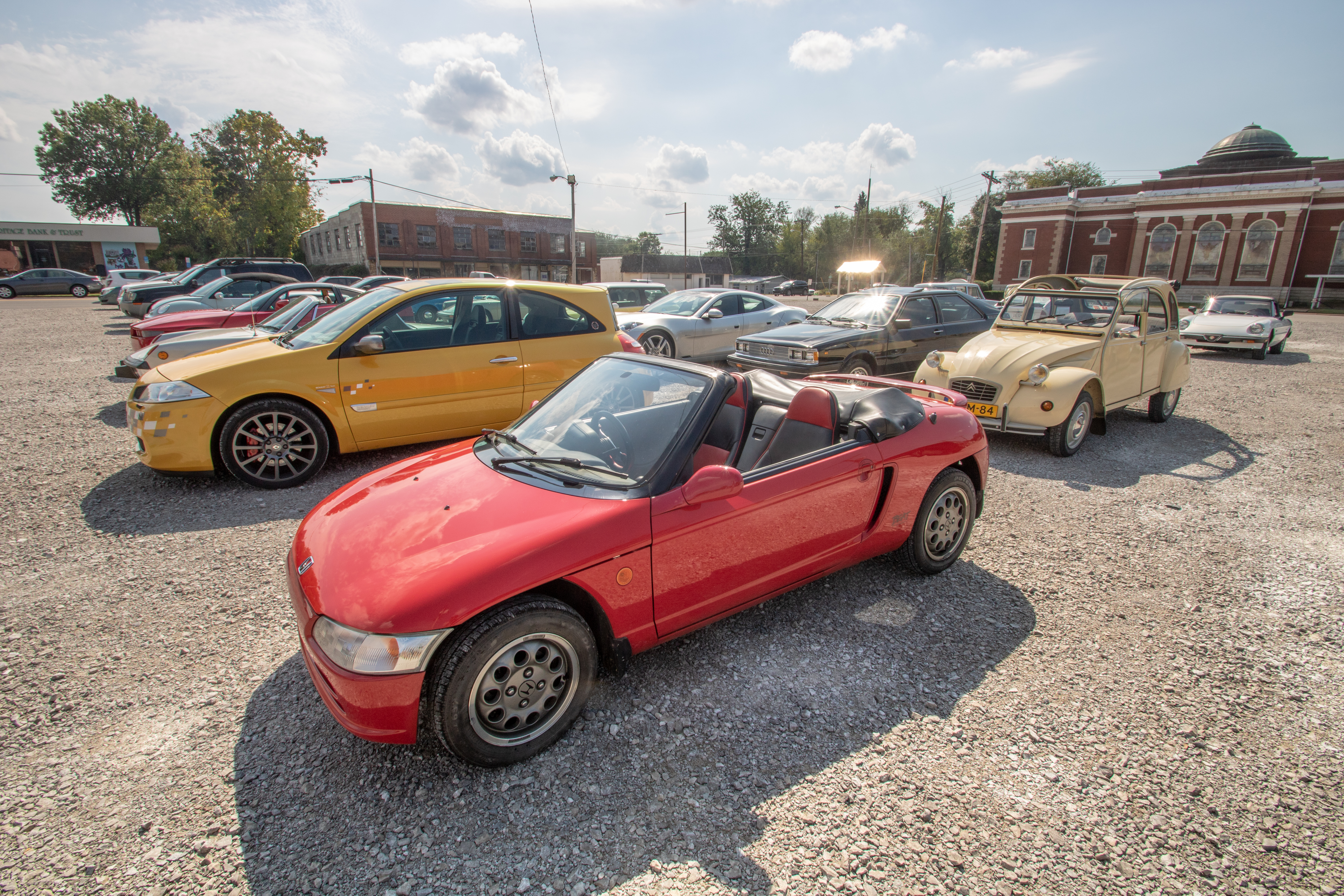
At the end of the rally I found myself completely taken by the Beat. It lacks interior storage cubbies and is enjoyable only on lower-speed roads, but it is endowed with loads of personality and diminuitive charm. I have since poked around on importer sites for a Beat of my own as my wife and I are considering one for weekend backroad romps and occasional commutes. I was returning to the museum when a young man in an EF hatch was absolutely bouncing in his driver’s seat and pointing and waving excitedly at the Beat. It’s a special car in this country, and definitely worth considering as a weekender. Just don’t expect to travel on the highway with it.
 Open Course